
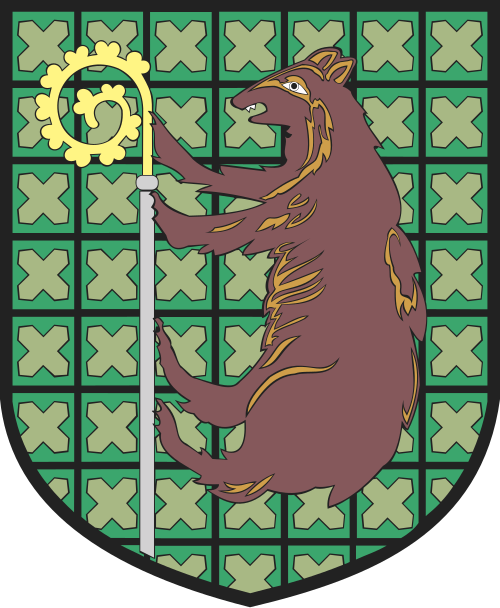
Gmina Reszel
Reszel Municipality
An urban-rural municipality in the south-western part of Kętrzyn County. It covers 179.2 km² and has about 6,400 residents, some 3,900 of them in the town of Reszel. The municipality comprises the town and 20 rural village councils. It is known for the castle of the Warmian bishops in Reszel and the sanctuary in Święta Lipka.
Overview
- Area: 179.2 km²
- Population: 6,395 (Statistics Poland, 31 December 2025)
- Village councils (sołectwa): 20, including Święta Lipka, Bezławki and Łężany
- Neighbours the municipalities of Bisztynek, Kętrzyn, Kolno, Korsze, Mrągowo and Sorkwity; it does not adjoin the state border
- Farmland covers about 71% of its area, forests about 14% (2002 data)
- Voivodeship roads 590, 593 and 594 pass through Reszel
A town of episcopal Warmia
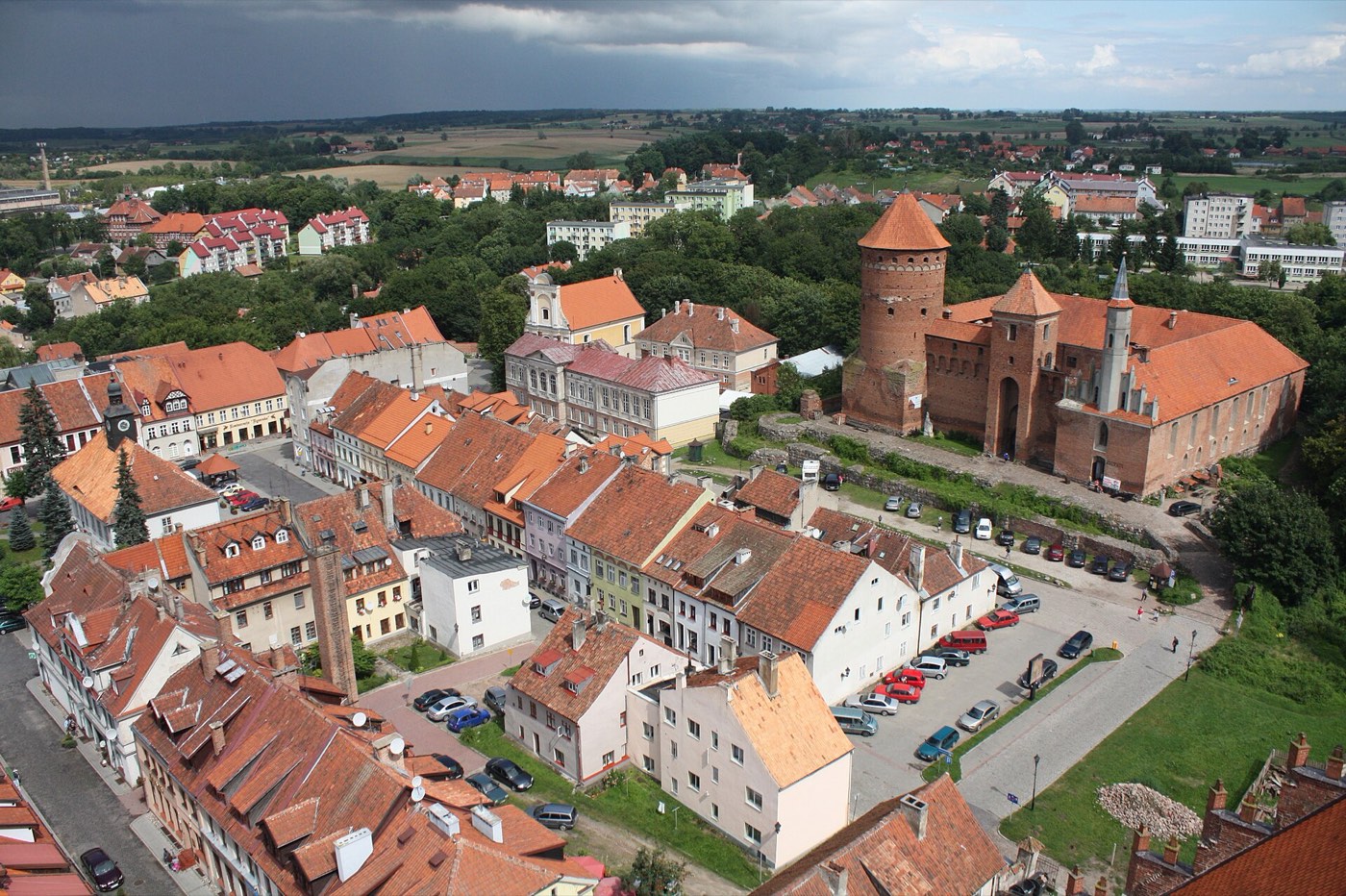
Reszel received town rights under Chełmno law in 1337. The castle was built by the bishops of Warmia. It was raised from the mid-14th century together with the town walls. Today it houses a hotel and a contemporary art gallery.
Gothic bridges from the 14th century survive over the Sajna river.
Święta Lipka
The pilgrimage sanctuary in Święta Lipka was declared a Monument of History by a regulation of the President of Poland of 20 April 2018. Protection covers the Church of the Visitation of the Blessed Virgin Mary with its cloisters, and the monastery. The regulation describes it as a Baroque sacral complex of exceptional class and the oldest centre of Marian devotion in northern Poland.
Authorities
Mayor (Burmistrz): Andrzej Lewandowski (term 2024–2029)
Cooperation within the WMSP
Reszel Municipality joined the Association at the General Assembly on 25 May 2026.
This local government takes part in the shared territorial strategy of the borderland through 2030 and in the CuRI 2026–2027 programme (Eastern Border Regions Catching-up Regions Initiative, European Commission + World Bank).